
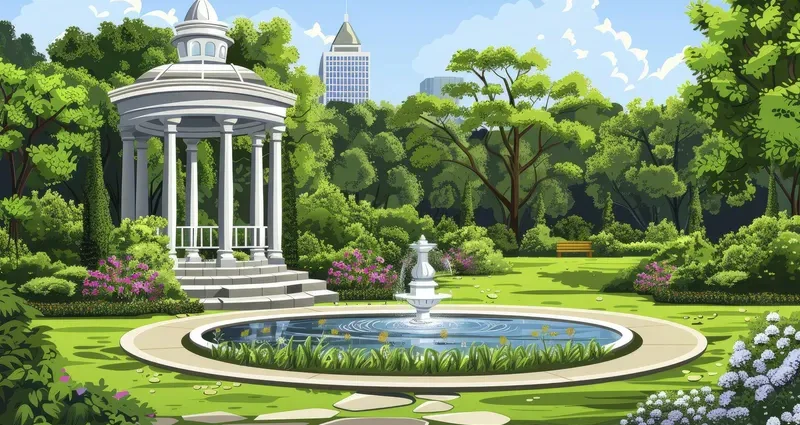
A beautiful garden can transform the way a home looks and feels. Even a small outdoor space can become a relaxing green retreat with the right approach. Many homeowners today search for practical ideas to improve their yards, patios, or backyards. That is where the concept of Decadgarden becomes useful. It focuses on creating a balanced, attractive, and easy-to-maintain garden that enhances the beauty of your home.
The idea behind Decadgarden is simple. You combine smart planning, the right plants, and creative decoration to design a peaceful outdoor space. You do not need professional landscaping skills to achieve great results. With a few easy strategies, anyone can turn a plain yard into a welcoming garden that feels alive and refreshing.
This guide will walk you through the steps needed to build a garden that looks beautiful throughout the year. From planning your layout to maintaining healthy plants, these tips will help you create a garden you can truly enjoy.
What Is Decadgarden and Why It Matters
Decadgarden is more than a gardening trend. It represents a practical way to design outdoor spaces that balance beauty, comfort, and sustainability. The goal is to make gardens look elegant while keeping them easy to maintain.
Many people think gardening requires large yards or expensive tools. In reality, a well-planned garden can grow in almost any space. Small patios, balconies, and even tiny backyard corners can support healthy plants.
A well-designed garden offers many benefits:
-
It improves the appearance of your home
-
It creates a peaceful outdoor relaxation space
-
It helps reduce stress and improve mood
-
It encourages time outdoors with family
When you follow simple gardening principles, you can create a space that feels natural, vibrant, and welcoming.
Planning Your Garden the Smart Way
Before planting anything, take time to plan your garden layout. Good planning prevents common mistakes and saves time later.
Start by observing your outdoor space. Notice how much sunlight the area receives during the day. Some plants thrive in full sun, while others prefer shade.
Here are a few questions to ask before starting:
-
How much sunlight does the area get?
-
Is the soil dry or moist?
-
How large do you want your garden to be?
-
Do you prefer flowers, vegetables, or decorative plants?
Sketching a simple layout can also help. You do not need advanced design skills. Just mark where plants, paths, or decorative elements might go.
Good planning keeps the garden organized and balanced.
Decadgarden Design Basics for Beginners
Design plays a huge role in how attractive a garden looks. The Decadgarden approach focuses on simplicity, harmony, and natural beauty.
Start with a clear structure. Divide your garden into small sections rather than filling the space randomly. This approach makes the garden feel organized.
Here are a few simple design ideas:
Use Layers
Place taller plants in the back and shorter plants in the front. This layering creates depth and visual interest.
Add Pathways
Small stone or gravel paths guide visitors through the garden and prevent soil damage.
Create Focal Points
Every garden should have something that catches the eye. This could be a fountain, a decorative plant, or a small bench.
Mix Colors Carefully
Too many colors can make a garden look messy. Choose two or three main colors and repeat them across the garden.
These simple strategies can dramatically improve the look of your outdoor space.
Choosing the Right Plants for Your Climate
Plant selection determines how successful your garden will be. Some plants grow easily in certain climates but struggle in others.
Start by choosing plants that naturally grow well in your region. Native plants usually require less maintenance and water.
Here are a few beginner-friendly plant options:
Flowering Plants
-
Marigolds
-
Petunias
-
Lavender
Decorative Plants
-
Ferns
-
Hostas
-
Ornamental grasses
Edible Plants
-
Basil
-
Tomatoes
-
Mint
Mixing flowers with herbs or vegetables can make your garden both beautiful and practical.
Soil Preparation and Healthy Plant Growth
Healthy soil supports healthy plants. Many gardeners overlook soil preparation, but it plays a huge role in plant growth.
Start by loosening the soil with a small shovel or garden fork. This improves air circulation and helps roots grow deeper.
Next, add organic matter such as compost. Compost provides nutrients that plants need to grow strong.
Healthy soil offers several advantages:
-
Better plant growth
-
Stronger roots
-
Improved moisture retention
Testing the soil pH can also help if plants struggle to grow.
Watering Techniques That Keep Plants Thriving
Water keeps plants alive, but too much water can cause damage. Learning the right watering technique makes a big difference.
Water plants early in the morning whenever possible. Morning watering reduces evaporation and gives plants time to absorb moisture.
Here are some helpful watering tips:
-
Water deeply instead of frequently
-
Focus on plant roots, not leaves
-
Use mulch to keep the soil moist
A simple watering schedule keeps plants healthy without wasting water.
Simple Garden Decoration Ideas
A garden should feel welcoming and peaceful. Decorative touches help create a relaxing environment.
Here are some easy decoration ideas:
Add Garden Lights
Solar lights create a warm atmosphere during the evening.
Use Decorative Pots
Colorful containers add personality to small gardens.
Install a Small Water Feature
Fountains or small ponds add calming sounds to the space.
Place a Garden Bench
A comfortable seat allows you to enjoy the beauty of your garden.
Small details often make the biggest difference in garden design.
Easy Maintenance Tips for a Long-Lasting Garden
Once your garden grows, regular care keeps it looking beautiful. The Decadgarden approach encourages simple maintenance routines that prevent problems before they start.
Here are a few essential maintenance tasks:
-
Remove weeds every week
-
Trim plants to maintain shape
-
Check plants for pests
-
Replace dead flowers to encourage new blooms
Mulching also helps reduce weeds and keeps the soil moist. A thin layer of organic mulch can improve plant health while making the garden look neat.
Common Gardening Mistakes to Avoid
Even experienced gardeners make mistakes. Learning about common problems can help you avoid them.
Overwatering
Too much water can damage plant roots and cause diseases.
Planting Too Close Together
Plants need space to grow properly. Crowded plants compete for sunlight and nutrients.
Ignoring Soil Quality
Poor soil leads to weak plants. Always improve the soil before planting.
Choosing the Wrong Plants
Plants that do not suit your climate often struggle to survive.
Avoiding these mistakes makes gardening easier and more enjoyable.
Seasonal Garden Care Guide
Gardens change with the seasons. Adjusting your care routine keeps plants healthy all year.
Spring
-
Plant new flowers and vegetables
-
Add compost to the soil
-
Begin regular watering
Summer
-
Water plants early in the morning
-
Remove weeds frequently
-
Protect plants from extreme heat
Fall
-
Trim plants and clean garden beds
-
Plant bulbs for spring flowers
-
Prepare soil for winter
Winter
-
Protect sensitive plants
-
Reduce watering
-
Plan next season’s garden improvements
Seasonal care ensures the garden remains vibrant year after year.
How a Home Garden Improves Your Lifestyle
A home garden does more than improve curb appeal. It also supports a healthier lifestyle.
Spending time in a garden reduces stress and encourages relaxation. Gardening also provides light physical activity, which benefits overall health.
Many families enjoy gardening together. Planting flowers or growing vegetables creates meaningful shared experiences.
Gardens also attract birds and butterflies. These small visitors make outdoor spaces feel more alive and connected to nature.
When people care for plants, they often feel more connected to the environment around them.
Conclusion
Creating a beautiful garden does not require expensive tools or professional skills. With thoughtful planning and simple care routines, anyone can design an outdoor space that feels calm and inviting. By following the ideas shared in this Decadgarden guide, you can transform even a small yard into a vibrant, relaxing environment that enhances the beauty of your home. For more information, visit our website.